
Guide · Nigeria
Nigeria EOR Cost: What It Costs to Employ Someone in Nigeria (2026)
Guide · Updated 14 November 2026
For an illustrative NGN 500,000 monthly salary, employer pension at 10%, NSITF at 1% and ITF at 1% produce a monthly employment cost of NGN 560,000, or NGN 6.72 million a year, before insurance, additional benefits and administration costs. This assumes all three contributions apply and the full salary is pensionable. Actual costs depend on the employer, the contractual pay base and the employee’s circumstances. Use the breakdown and 2026 PAYE examples below to build a hiring budget.
Reviewed 14 November 2026 against Nigerian legislation and current regulator guidance. The examples are planning estimates, not a payroll determination or legal or tax advice.
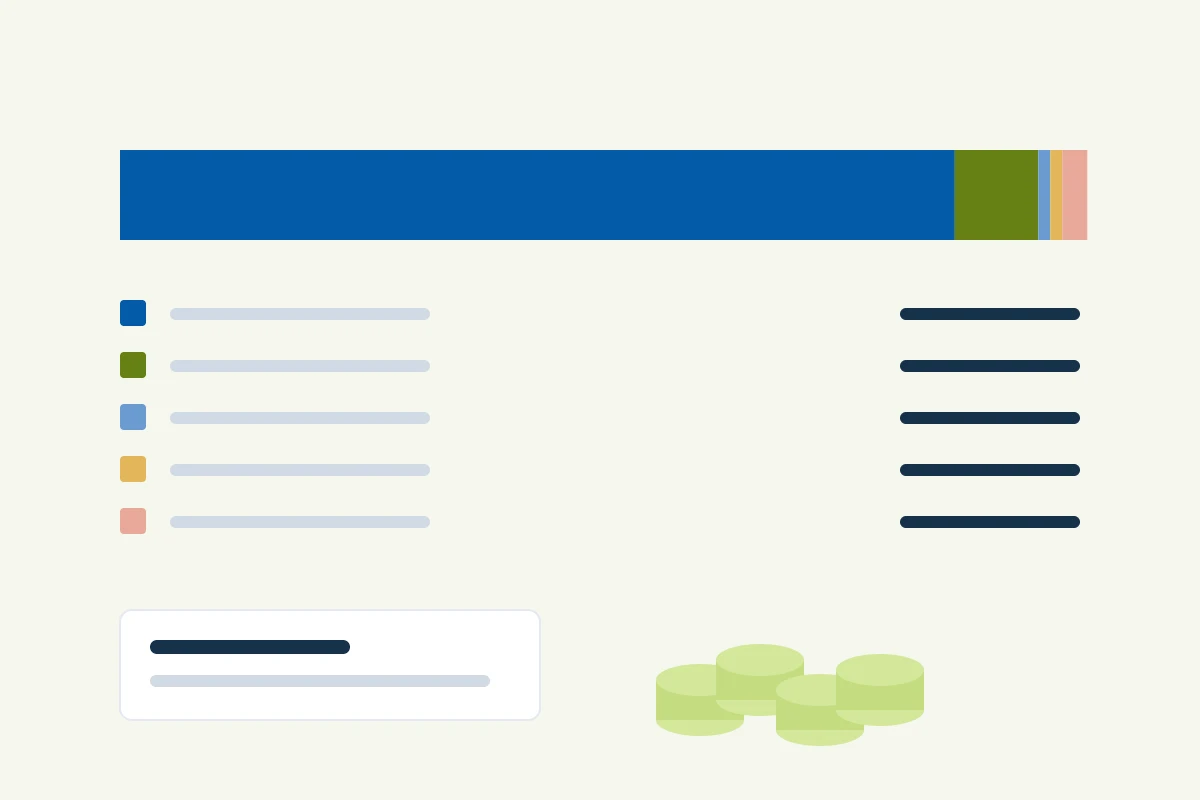
The parts of a Nigeria employment budget
Gross salary. Document pay and allowances clearly. The national minimum wage is NGN 70,000 a month for covered employment; check statutory coverage and any higher contractual or sector requirement.
Employer contributions. Assess pension, NSITF and ITF coverage and their respective calculation bases.
Insurance. Budget for required group life cover and the applicable NHIA and state health-insurance arrangements.
Benefits. Include paid leave and any contractual bonus, leave allowance or family medical cover.
Administration. Allow for employment administration separately from salary and statutory payments.
Employee pension, PAYE and any qualifying voluntary NHF contribution are deductions from gross pay. They reduce take-home pay rather than being additional employer contributions; a guaranteed-net salary would require a separate gross-up calculation.
Employer and employee contributions in 2026
| Contribution | Employer | Employee | Base and notes |
|---|---|---|---|
| Pension | At least 10% | At least 8% | Contractual monthly emoluments, no less than basic salary plus housing and transport. Check scheme coverage. Remit to the Pension Fund Custodian specified by the PFA within 7 working days of salary payment. |
| NSITF (Employees’ Compensation Scheme) | 1% | None | Total monthly payroll |
| Industrial Training Fund (ITF) | 1% | None | 1% of annual payroll for employers with 25 or more employees outside free trade zones under the amended Act. A separate provision covers suppliers, contractors and consultants with more than 25 employees bidding for contracts. |
| National Housing Fund (NHF) | None | 2.5% if chosen | Monthly income, not just basic pay; voluntary for eligible private-sector employees earning at least the national minimum wage. |
| Group life insurance | Premium | None | For covered employment, insured benefit of at least three times annual total emoluments. This is the cover amount, not the premium. |
| Health insurance | Depends on the plan | Depends on the plan | Health-insurance coverage is mandatory under the NHIA Act 2022. Check the applicable federal/state scheme, funding rules and any supplementary cover. |
PAYE income tax from 1 January 2026
| Annual taxable income | Rate |
|---|---|
| First NGN 800,000 | 0% |
| Next NGN 2.2 million | 15% |
| Next NGN 9 million | 18% |
| Next NGN 13 million | 21% |
| Next NGN 25 million | 23% |
| Above NGN 50 million | 25% |
Chargeable income reflects taxable pay less qualifying deductions actually made, including eligible pension, NHF and health or life-insurance contributions. The former consolidated relief allowance no longer applies. Eligible rent relief is 20% of actual annual rent paid, capped at NGN 500,000, and requires a claim with supporting information. Employment income at or below the national minimum wage is exempt; this does not exempt unrelated taxable income.
Remit PAYE by the 10th of the following month to the relevant State or FCT authority under the residence rules, or to the Nigeria Revenue Service for the categories assigned to it. Sources: Nigeria Tax Act 2025; JRB 2026 personal income tax guidelines.
Worked examples
Monthly figures in naira for a resident employee in 2026. These illustrations assume that pension, NSITF and ITF all apply and the full salary is contractual pensionable monthly emoluments. PAYE deducts only employee pension, with no rent relief or other deductions. Insurance, additional benefits and employment administration costs are excluded. The 12% employer addition is therefore an assumption, not a universal statutory surcharge.
| Monthly salary | Employer pension (10%) | NSITF (1%) | ITF (1%) | Employer cost per month | Employer cost per year | Employee pension (8%) | PAYE | Take-home pay |
|---|---|---|---|---|---|---|---|---|
| NGN 70,000 | NGN 7,000 | NGN 700 | NGN 700 | NGN 78,400 | NGN 940,800 | NGN 5,600 | NGN 0 | NGN 64,400 |
| NGN 500,000 | NGN 50,000 | NGN 5,000 | NGN 5,000 | NGN 560,000 | NGN 6,720,000 | NGN 40,000 | NGN 65,300 | NGN 394,700 |
| NGN 1,000,000 | NGN 100,000 | NGN 10,000 | NGN 10,000 | NGN 1,120,000 | NGN 13,440,000 | NGN 80,000 | NGN 148,100 | NGN 771,900 |
| NGN 2,000,000 | NGN 200,000 | NGN 20,000 | NGN 20,000 | NGN 2,240,000 | NGN 26,880,000 | NGN 160,000 | NGN 338,900 | NGN 1,501,100 |
If ITF does not apply, remove its 1% provision with the other assumptions unchanged: NGN 500,000 gross then costs NGN 555,000. With eligible annual rent of NGN 2 million, a supported NGN 400,000 rent-relief claim reduces this example’s monthly PAYE to NGN 59,300 and raises take-home pay to NGN 400,700. The Nigeria salary and employer cost calculator uses simplified assumptions, including ITF; read its qualifications before using a result.
Other costs to plan for
- Bonuses and benefits. There is no general statutory thirteenth-month salary. Budget for contractual or collective-agreement benefits; statutory paid-leave rights remain separate.
- Health insurance. Check NHIA and state scheme obligations before choosing supplementary HMO or family cover.
- Notice. Labour Act notice for covered workers ranges from one day to one month by service length. For employees outside its worker definition, check the contract and other applicable law; do not assume a universal professional notice period.
- Redundancy. There is no single general statutory severance formula. For covered workers, section 20 requires representative notification, the statutory selection approach and best endeavours to negotiate payments. Also check applicable regulations, contracts and collective agreements.
- Leave on exit. Calculate accrued or proportionate holiday pay under applicable law and the contract, including Labour Act section 18 where relevant; it is not solely discretionary.
- Exchange rate. Distinguish foreign-currency payroll funding from lawful wage payment. Confirm the payment currency, conversion method and bank charges before setting a budget.
How to build a Nigeria employment budget
Build an annual budget from the salary and allowance split, contractual pension base, applicable employer contributions, insurance and benefits. Record which assumptions apply to the employing organisation and which depend on the employee’s residence, reliefs or contract.
NNRoad reviews the role, work location, management responsibilities and expected duration before confirming a lawful employment arrangement. A useful cost assessment should identify:
- recurring salary, statutory payments and contractual benefits
- one-off onboarding or termination items that may arise
- coverage, contribution-base and tax-relief assumptions
- the payroll calendar, funding currency and exchange-rate basis
EOR or your own Nigerian company?
Your own Nigerian employing company needs the relevant corporate, tax, employment and sector registrations, an operating bank account and payroll processes. Pension, NSITF, ITF and health-insurance obligations must be assessed individually. EOR can support local employment for a first hire or small team where the arrangement is lawful, but it does not itself authorise trading, remove corporate-tax exposure or replace business licences. See Employer of Record in Nigeria and the guide to hiring in Nigeria.
Questions about Nigeria EOR cost
How much does an employer of record cost in Nigeria?
A hiring budget includes gross salary, applicable employer contributions, required insurance, contractual benefits and employment administration. The examples on this page estimate employment costs under stated assumptions. The amount for a particular hire depends on confirmed coverage, benefits and employment arrangements.
How much does an employee cost on top of salary in Nigeria?
If the full salary is pensionable and pension, NSITF and ITF all apply, a 10% + 1% + 1% illustration adds 12% before insurance and benefits. NGN 500,000 gross then gives NGN 560,000. Without ITF, the same example gives NGN 555,000. Confirm coverage and the contractual pension base first.
What is the minimum wage in Nigeria in 2026?
The national minimum wage is NGN 70,000 a month under the amendment signed on 29 July 2024, subject to statutory coverage. Check any higher sector or contractual entitlement. Employment income at or below the national minimum wage is exempt from personal income tax; other taxable income must be assessed separately.
Is the NHF contribution compulsory?
For eligible private-sector employees earning at least the national minimum wage, participation is voluntary. The amended Act specifies 2.5% of monthly income, not just basic pay. Qualifying contributions actually made may be deducted in calculating chargeable income. Public-sector rules differ.
Does the ITF levy apply to every employer?
No. The amended main rule is 1% of annual payroll for employers with 25 or more employees outside free trade zones. There is also a provision for suppliers, contractors and consultants with more than 25 employees bidding for contracts. Assess the employing organisation, not just the number of hires assigned to one client.
Can I pay a Nigerian employee in US dollars?
Foreign-currency funding and employee wage payment are different issues. The Labour Act requires legal-tender payment for covered workers. Before agreeing foreign-currency pay, confirm the employee’s legal classification, applicable currency rules, contract and tax treatment. Do not assume an overseas funding currency makes dollar wages lawful.
Want the numbers for your own hire?
Share the role, proposed gross salary, work location and employee residence. We can assess the employment structure and the assumptions needed for an annual hiring budget.
Related
How NNRoad supports lawful local employment and payroll in Nigeria.
The steps from choosing the employer to the first payday.
Try your own salary figures.
Sources: Labour Act; Nigeria Tax Act 2025; JRB 2026 personal income tax guidelines; PenCom guidance; Business Facilitation Act (ITF and NHF amendments); NSITF services; NHIA Act 2022; Minimum-wage implementation circular. Reviewed 14 November 2026.